A slipping transmission may not damage your car’s engine — but it can absolutely damage the transmission if you continue driving. It can also make your car unpredictable and unsafe on the road. Below, this transmission repair mechanic in Westmont, Illinois is going to explain everything you should know about transmission slipping.
How do you know if your transmission is slipping?
When a transmission slips, it does not engage or hold the selected gear. As a result, the engine may rev higher than normal, or acceleration may lag. The transmission can also momentarily drop out of gear.
One common situation is when you press the accelerator, but your car does not move forward. This hesitation is usually the first sign drivers notice before they bring their car to a transmission repair mechanic in Westmont, Illinois.
There are many possible causes of transmission slipping. One of the most common is low transmission fluid. The transmission cannot maintain the hydraulic pressure required for proper gear engagement when fluid levels drop. That is when slipping starts.
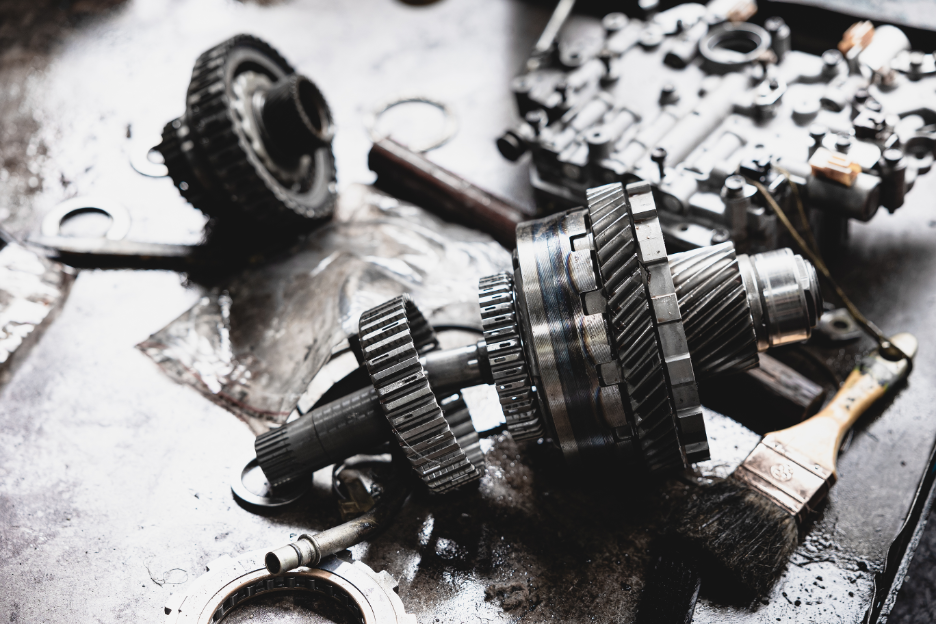
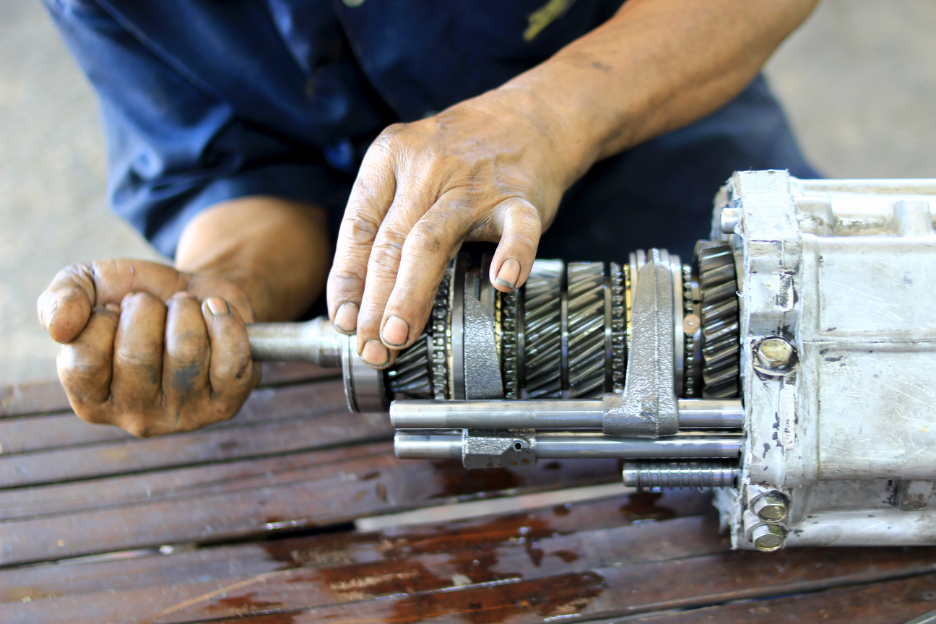
Damaged internal components can also be to blame. This includes clutch plates or clutch packs, whether in a manual transmission’s clutch disc and pressure plate or an automatic transmission’s internal clutches. The transmission can no longer hold gears securely when these parts are damaged. This can lead to transmission slipping.
Should you worry about engine damage when the transmission slips?
Transmission slipping does not directly damage the engine. But it does indicate that the transmission is not engaging gears properly. The engine revs but the power is not being transferred to the wheels properly. As a result, the real threat is not to the engine itself but to the transmission and other drivetrain components.
If the slipping continues, the transmission can overheat and that can lead to serious internal damage. Overheating breaks down transmission fluid, which reduces both lubrication and hydraulic pressure. This increases the wear on internal components of the transmission, particularly the gearbox and its hydraulic control system.
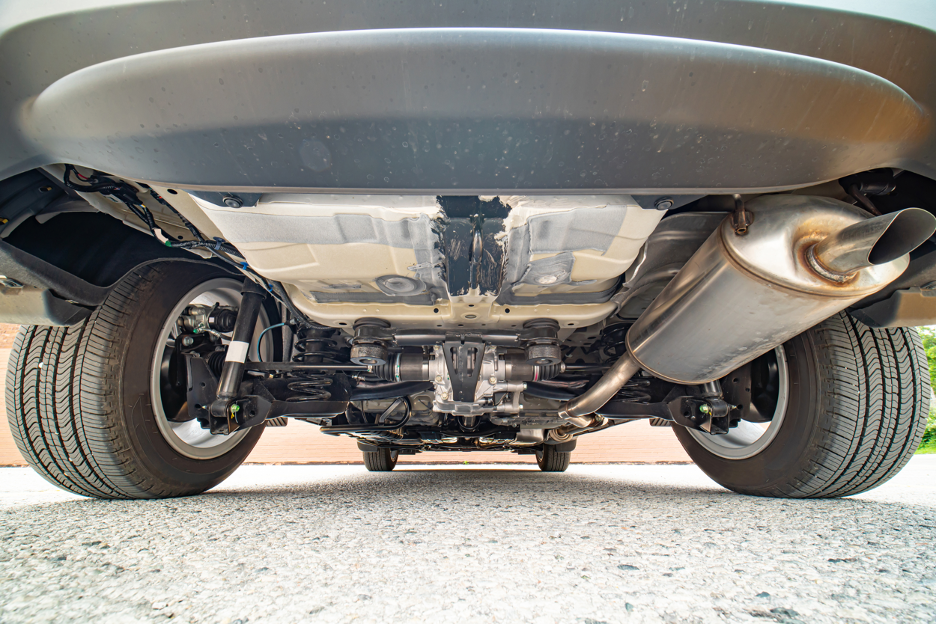
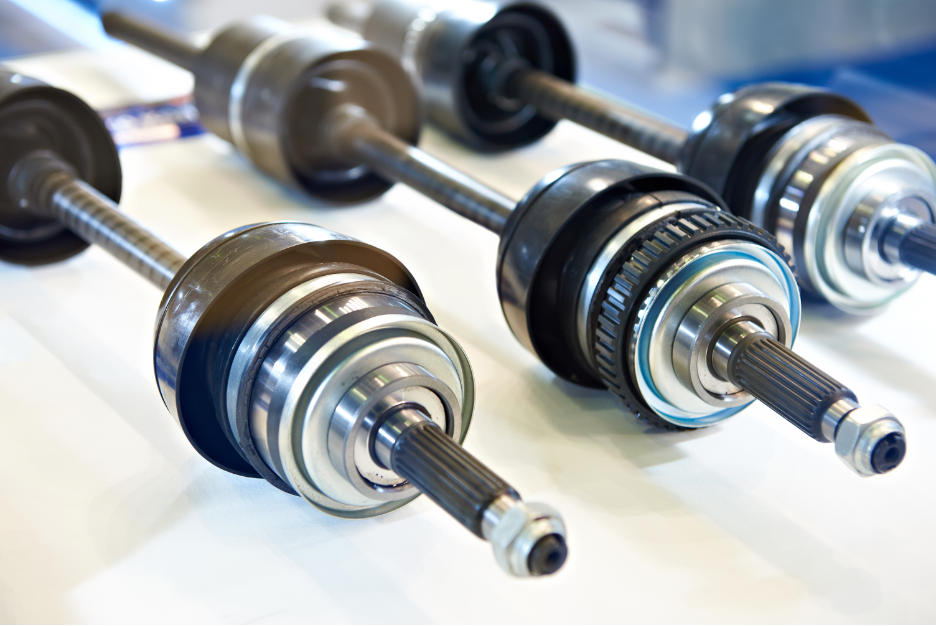
The engine itself remains largely unaffected. But inconsistent power delivery due to slipping can increase the load on other drivetrain components. This extra load can cause problems like delayed acceleration, rough shifting, sudden jerks, shuddering, slipping between gears, vibrations or clunking sounds during gear changes. These are all signs that your car’s performance and safety are being compromised.
Because of these risks, experts generally advise against driving with a slipping transmission. Continuing to drive with a slipping transmission can cause permanent transmission damage. You could then be facing the possibility of needing a full rebuild or even a complete replacement. And that will not be cheap.
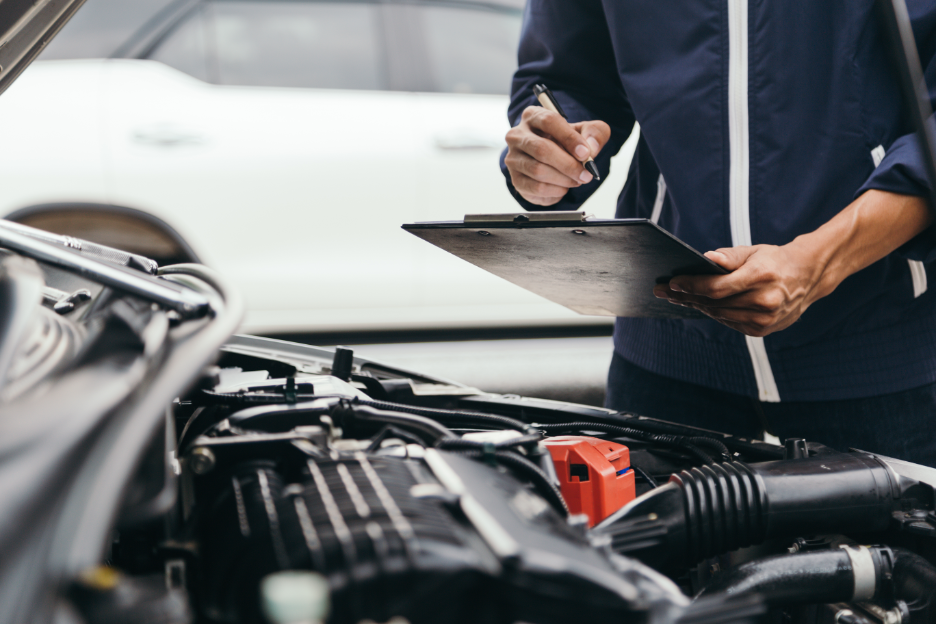
It’s best to have your vehicle inspected by a qualified transmission repair mechanic in Westmont, Illinois at the first sign of slipping. A professional mechanic will check fluid levels and condition, look for leaks, inspect the transmission pan for debris, test hydraulic pressure, scan for diagnostic trouble codes, evaluate the clutch packs and bands, check the torque converter and look for early wear in internal components.
After performing all these checks, the mechanic can find the cause of the slipping transmission. But more importantly, they can now prevent the problem from escalating into a full transmission failure.
Looking for a transmission repair mechanic in Westmont, Illinois?
If you are searching for a trusted transmission repair mechanic in Westmont, Illinois, look no further than King Transmission. Our experienced mechanics can find the cause of transmission slipping and restore your transmission to proper working condition. So, if you’ve noticed early signs of slipping, our team is here to help you get back to hassle-free driving. Contact us today to schedule your transmission inspection or repair.