Transmission slipping can feel like the vehicle is losing power, changing gears unexpectedly, or revving without accelerating the way it should. It may happen during acceleration, while driving at steady speeds, or when the vehicle is shifting between gears.
Because slipping can point to fluid problems, worn components, electronic issues, or internal transmission wear, it should not be ignored. Below, this transmission repair specialist in Elmhurst, Illinois is going to explain what a slipping transmission means.
What Does Slipping Transmission Mean?
A slipping transmission means the transmission is not staying properly engaged in the correct gear. When this happens, the engine may rev higher, but the vehicle may not respond with the expected increase in speed.
Some drivers describe the feeling as hesitation, delayed movement, sudden gear changes, or a loss of pulling power. The vehicle may feel like it is struggling to transfer engine power to the wheels.
Slipping can happen in automatic or manual transmissions, although the cause may be different depending on the vehicle.
What Does Transmission Slipping Feel Like?
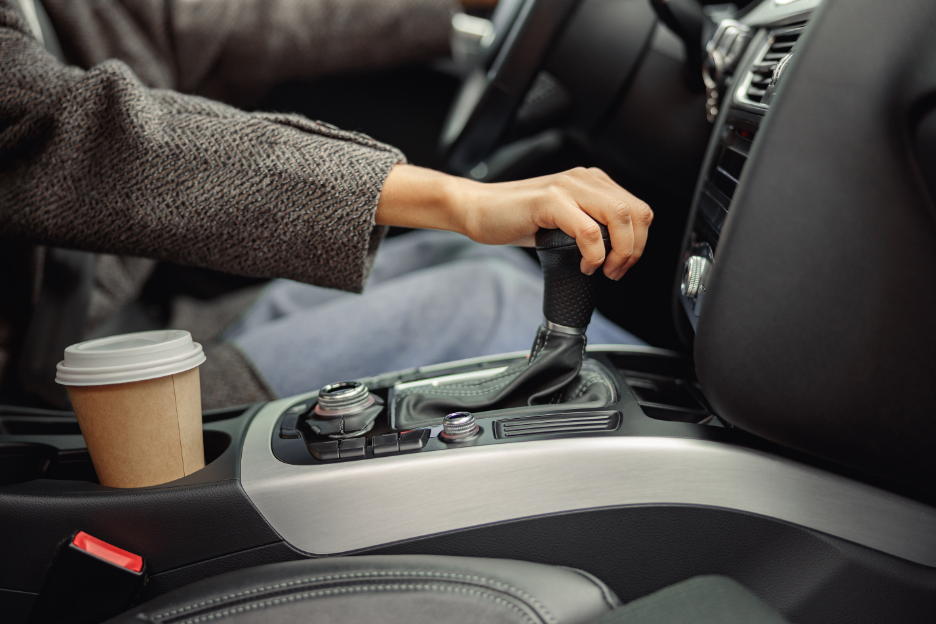
Transmission slipping may feel like the vehicle is briefly losing power, shifting at the wrong time, or taking too long to respond when you press the gas pedal.
You may notice the engine speed rising without the vehicle accelerating normally. The vehicle may also feel like it is hunting for the right gear, jerking between gears, or hesitating before moving forward.
For drivers in the Elmhurst area, these symptoms should be checked before they become more severe.
What Causes a Transmission to Slip?
A transmission can slip for several reasons. Common causes may include low transmission fluid, old or contaminated fluid, worn clutch components, internal wear, solenoid issues, valve body problems, or electronic control concerns.
In some vehicles, slipping may start gradually. In others, it may appear suddenly after a fluid leak, overheating issue, or mechanical failure.
A proper inspection is needed because the same symptom can have several different causes.
Can Low Transmission Fluid Cause Slipping?
Yes. Low transmission fluid can cause slipping because the transmission needs the correct fluid level to create pressure, lubricate components, and operate properly.
If the fluid level is too low, the transmission may not engage correctly or may struggle to shift smoothly. Low fluid may also point to a leak that needs to be found and repaired.
A full-service transmission repair specialist in Elmhurst, Illinois can check the fluid level, fluid condition, and possible leak sources.
Can Old or Contaminated Fluid Cause Slipping?
Yes. Old, dirty, or contaminated transmission fluid can contribute to slipping. Transmission fluid helps protect internal parts and supports the hydraulic pressure needed for shifting.
When the fluid breaks down or becomes contaminated, the transmission may not perform as smoothly. You may notice delayed shifting, slipping, rough movement, or a burnt smell.
Fluid condition can provide important clues during a transmission inspection.
Can a Slipping Transmission Get Worse?
Yes. A slipping transmission can get worse if the underlying problem is not addressed. When the transmission slips, internal components may experience extra heat, friction, and wear.
Even if the vehicle still drives, continued slipping can place more stress on the system. What starts as an occasional hesitation may develop into more serious shifting problems or loss of movement.
It is better to have the vehicle inspected early instead of waiting until it becomes harder to drive.
Is Transmission Slipping Dangerous?
Transmission slipping can become a safety concern because it can make the vehicle feel unpredictable. If the vehicle loses power while accelerating, merging, climbing a hill, or moving through traffic, it may not respond the way the driver expects.
Slipping can also make it harder to judge how the vehicle will behave in normal driving conditions. If the problem is severe, the vehicle may struggle to move or stay in gear.
A good transmission repair specialist in Elmhurst, Illinois can inspect the system and explain whether the vehicle should continue to be driven.
Could Slipping Be Related to the Clutch?
Yes. In a manual transmission, slipping may be related to clutch wear or clutch adjustment. A worn clutch may allow the engine to rev without transferring power properly to the wheels.
Drivers may notice slipping during acceleration, while climbing hills, or when shifting gears. The clutch may also feel different at the pedal.
Because clutch and transmission symptoms can overlap, the vehicle should be inspected before assuming which component is causing the issue.
Could Electronic Problems Cause Transmission Slipping?
Yes. Modern transmissions rely on sensors, solenoids, and electronic controls to manage shifting. If one of these systems is not working properly, the transmission may shift incorrectly, hesitate, or feel like it is slipping.
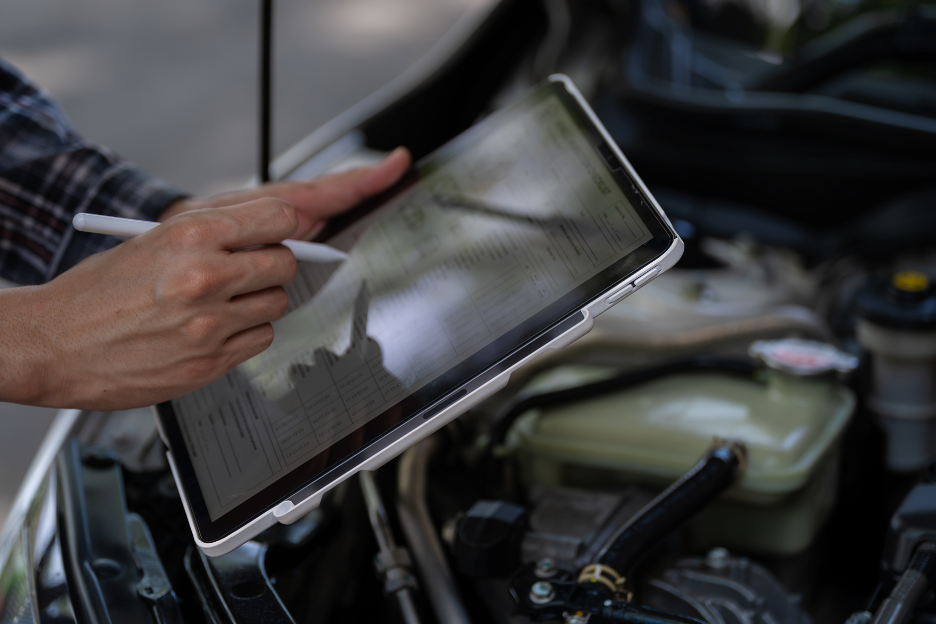
A diagnostic scan can help identify whether the vehicle has stored codes related to the transmission or related systems. However, codes are only one part of the diagnosis.
A technician may also need to road test the vehicle and inspect fluid condition, mechanical components, and related drivetrain parts.
When Should I Call a Transmission Specialist?
You should call a transmission specialist if your vehicle slips between gears, revs without accelerating normally, hesitates before moving, shifts unpredictably, leaks fluid, smells hot or burnt, or shows a warning light.
These symptoms should not be brushed off as normal wear. The sooner the issue is inspected, the easier it may be to understand what is happening and prevent additional damage.
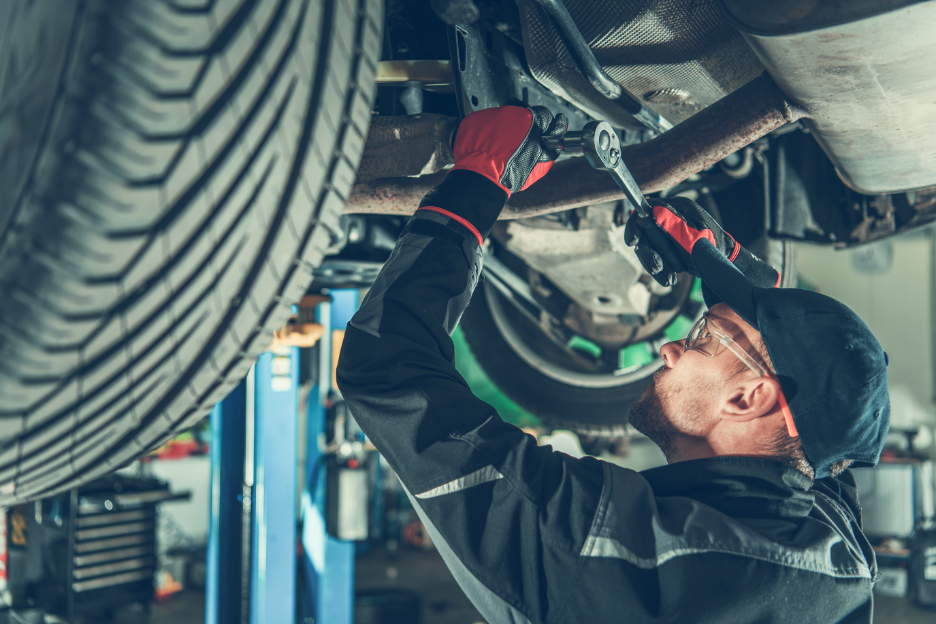
A complete transmission inspection can help identify whether the problem involves fluid, electronic controls, internal wear, the clutch, or another drivetrain component.
Looking for a Transmission Repair Specialist in Elmhurst, Illinois?
A slipping transmission can mean the vehicle is not staying properly engaged in gear, which may cause hesitation, unexpected shifting, higher engine revs, or reduced acceleration. If your vehicle is slipping, shifting strangely, or losing power while driving, a transmission repair specialist in Elmhurst, Illinois can inspect the system and determine what is causing the problem.
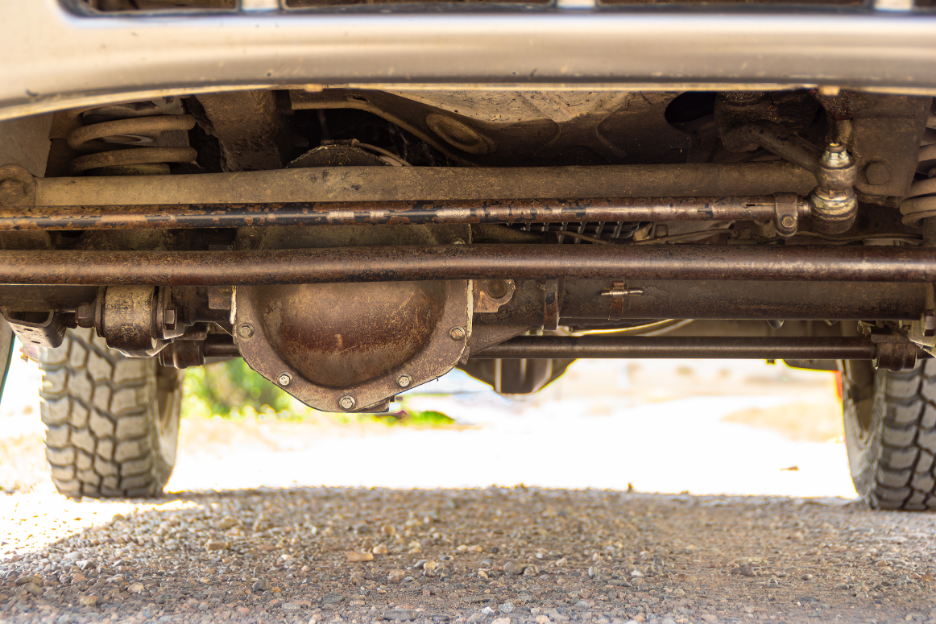
At King Transmission Company, we repair automatic and manual transmissions, clutches, drivelines, differentials, transfer cases, axles, and related vehicle systems. Contact us to get your transmission checked before slipping turns into a larger repair issue.