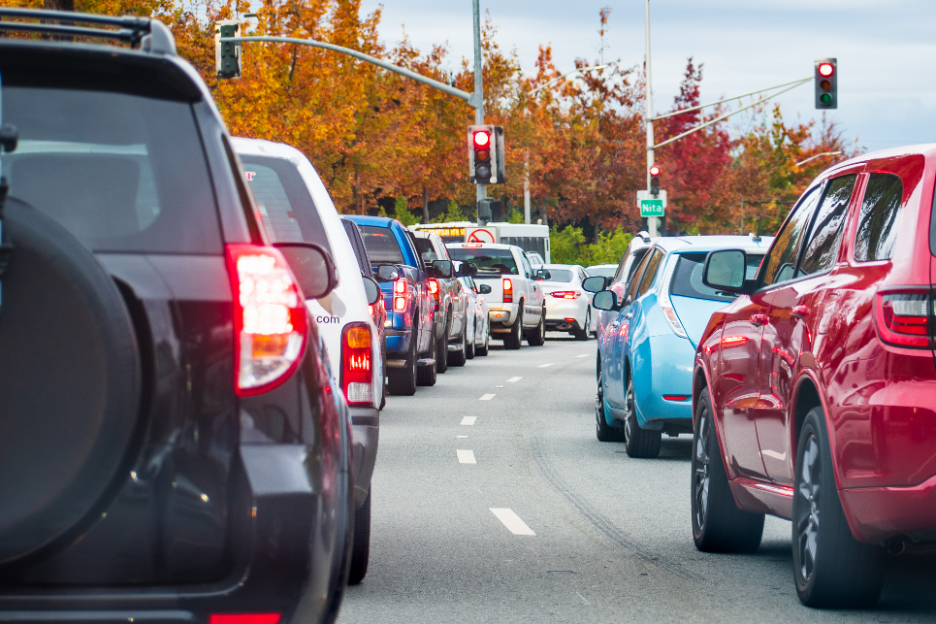
If you spend any time driving around the Glendale Heights area, you’re probably familiar with the stop-and-go traffic around rush hour. Many of your commutes may head toward Chicago, and the congestion there is notoriously bad.
But you may not think about how damaging this kind of driving can be to your car. Crawling traffic puts a lot of pressure on important parts, and your transmission usually takes the biggest hit.
Below, this transmission repair shop in Glendale Heights, Illinois is going to explain how stop-and-go traffic affects your transmission, and we’ll also share some insights on how you can limit this damage.
What happens to your transmission in constant stop-and-go traffic?
Your car never really gets a break when you are stuck in slow-moving traffic. If you drive an automatic car, your transmission is always working. The transmission continues deciding how much power to send and when to shift, even when the car is inching forward. You do not feel gears snapping back and forth, but the torque converter is busy the whole time.
All that nonstop movement creates friction and friction creates heat. Your car’s transmission can handle short bursts of heat, but in many cases, long stretches of congestion can be a problem. When this happens day after day, the heat does not fully dissipate. Over time, this heat buildup becomes one of the main reasons transmissions fail.
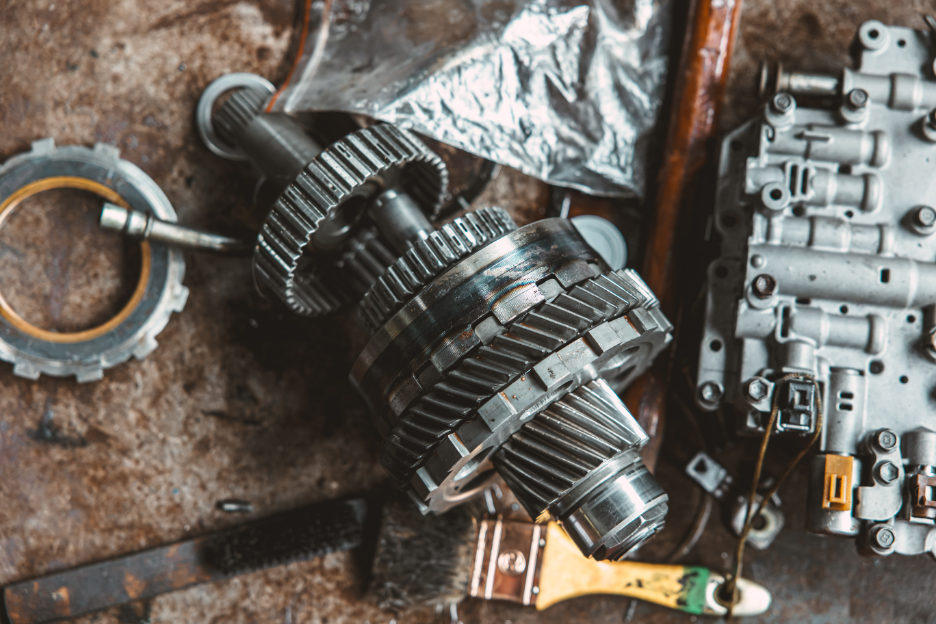
The transmission fluid starts to break down as heat builds. Internal parts lose their cushion, and metal starts wearing when the fluid loses its protective qualities. That wear adds up over months or years of daily congestion.
Manual transmissions face their own challenges in heavy congestion. The gearbox itself is simpler, but the clutch is doing much more work. Starting from a complete stop repeatedly puts a lot of pressure on it.
Many drivers ride the clutch to creep forward in traffic jams. But that creates heat and accelerates clutch wear. Over time, this behavior can shorten the life of the clutch and put pressure on nearby parts as well.
How can you tell when stop-and-go traffic is impacting your transmission?
You may start feeling small signs over time if you spend a lot of time stuck in traffic. Maybe your car transmission slips for a moment or hesitates before shifting. It can feel subtle at first, like something you could easily blame on a bad day or rough roads.
Another thing you may notice is the transmission fluid. Your car is trying to tell you it is getting too hot when the transmission fluid looks darker than usual or emits a burnt smell. You should not put this issue on the back burner.
Modern transmissions are unfortunately very good at masking early-stage problems. So, it’s important to be extra cautious. If something feels wrong, you should act on it. You should always stop by a professional transmission repair shop in Glendale Heights, Illinois as soon as you suspect a transmission problem.
Can regular maintenance help your transmission survive heavy traffic?
Transmission fluid is responsible for lubrication and heat control. The transmission performs much better in stop-and-go traffic when the fluid is clean and at the correct level.
A professional transmission repair shop in Glendale Heights, Illinois can check your fluid condition and spot early signs of trouble during an inspection. The most subtle changes in color or smell can point to transmission issues long before anything feels wrong from behind the wheel.
Looking for a transmission repair shop in Glendale Heights, Illinois?
If you are searching for a top-rated transmission repair shop in Glendale Heights, Illinois, look no further than King Transmission Company. Whether traffic is wearing on your daily commute or you have started noticing warning signs, our experienced transmission technicians are ready to help. Contact us today to schedule your transmission inspection or repair.