A vehicle’s transmission plays a major role in transferring engine power to the wheels and helping the vehicle shift properly through different speeds and driving conditions. Because transmissions involve many moving components working together under high stress, problems can develop over time due to wear, heat, fluid issues, or internal damage.
Many transmission problems begin gradually before becoming more serious mechanical failures later. Below, this transmission repair shop in Northlake, Illinois is going to explain some of the most common causes of transmission failure, and we’ll also review a few warning signs drivers should pay attention to before larger drivetrain problems develop.
Low or Contaminated Transmission Fluid
Transmission fluid plays an important role in lubrication, cooling, and hydraulic pressure throughout the transmission system.
When transmission fluid becomes:
- Low
- Dirty
- Burnt
- Contaminated
internal components may experience increased friction and heat buildup. Over time, insufficient fluid protection can contribute to premature wear and internal transmission damage.
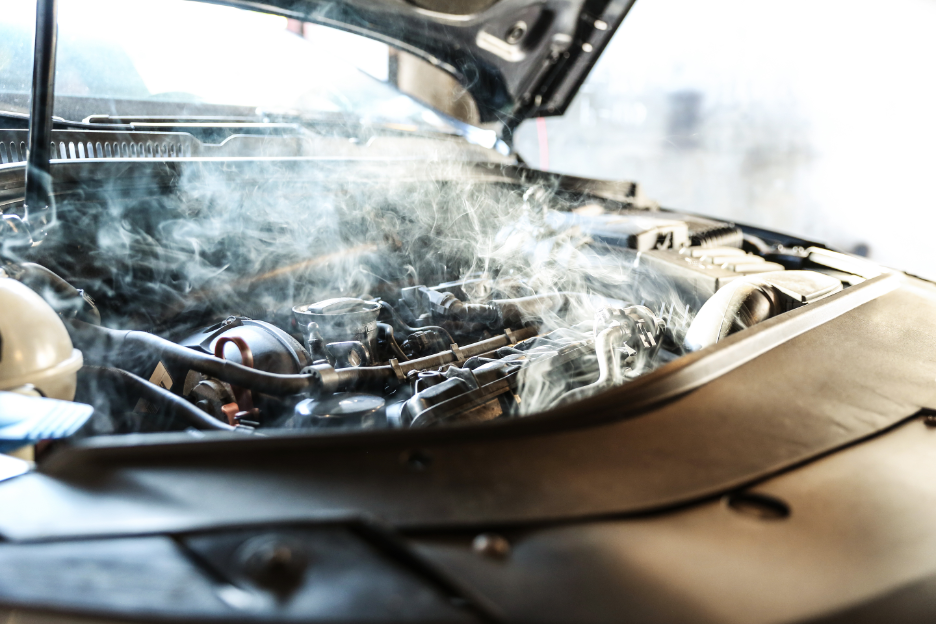
Overheating Can Damage Transmission Components
Heat is one of the most common causes of transmission failure.
Excessive heat may develop due to:
- Heavy towing
- Stop-and-go driving
- Low fluid levels
- Cooling system issues
- Internal transmission strain
As temperatures increase, transmission fluid may begin losing its protective properties, which can place additional stress on internal components.
A good transmission repair shop in Northlake, Illinois can help inspect transmission fluid condition and evaluate whether overheating may be contributing to shifting or performance issues.
Delayed Maintenance Can Create Problems
Routine maintenance plays an important role in transmission performance.
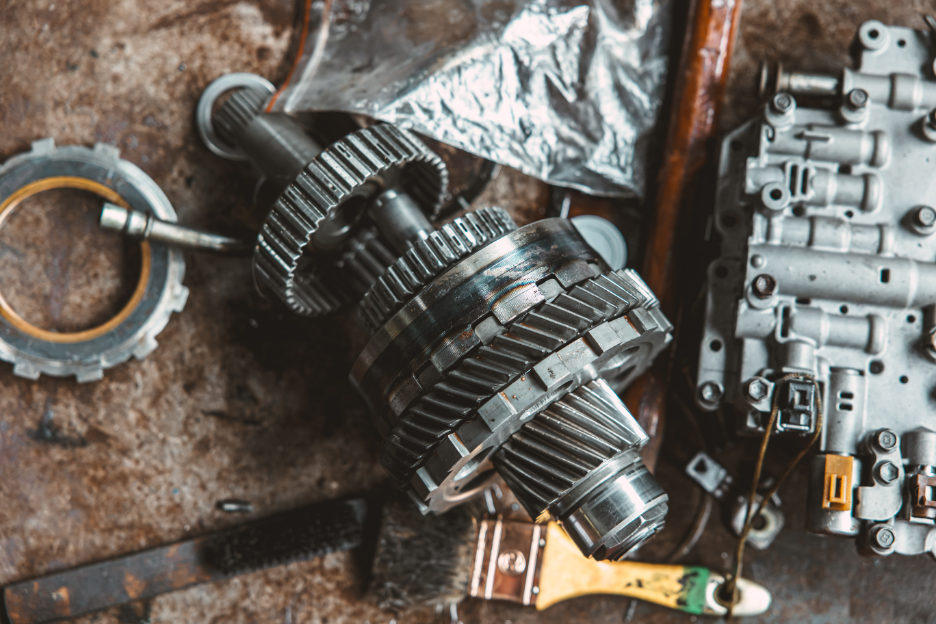
Over time, fluid breakdown and normal wear may gradually affect:
- Internal seals
- Clutches
- Gears
- Valve body components
Ignoring recommended maintenance intervals may allow smaller issues to continue worsening until more extensive repairs become necessary.
Worn Internal Components
Transmissions contain many moving mechanical parts that naturally wear down over time.
Some components that may eventually experience wear include:
- Clutch packs
- Bearings
- Solenoids
- Torque converters
- Gaskets and seals
As these parts deteriorate, drivers may begin noticing shifting problems, slipping, unusual noises, or reduced vehicle performance.
Transmission Slipping
Transmission slipping occurs when the vehicle unexpectedly changes gears, struggles to stay in gear, or experiences delayed acceleration.
Drivers may notice:
- High engine RPM without acceleration
- Hesitation while shifting
- Jerking during gear changes
- Difficulty maintaining speed
Slipping can indicate internal wear or hydraulic pressure problems that may worsen if left unaddressed.
Leaking Transmission Fluid
Transmission fluid leaks can eventually create serious mechanical problems if fluid levels drop too low.
Leaks may develop from:
- Worn seals
- Damaged transmission pans
- Loose connections
- Aging gaskets
Because transmissions rely heavily on proper fluid pressure and lubrication, even smaller leaks may eventually contribute to internal damage over time.
An honest transmission repair shop in Northlake, Illinois can help identify the source of leaks and tell you whether additional transmission repairs may be necessary.
Aggressive Driving Habits Can Increase Wear
Driving habits may also affect long-term transmission performance.
Frequent hard acceleration, abrupt shifting, excessive towing, or repeated stop-and-go driving may place additional strain on transmission components over time. While transmissions are designed to handle normal driving conditions, increased stress can accelerate wear in certain situations.
Warning Signs Should Not Be Ignored
Transmission problems often begin with smaller warning signs before larger failures occur.
Drivers should pay attention to symptoms such as:
- Burning smells
- Delayed shifting
- Unusual noises
- Fluid leaks
- Dashboard warning lights
- Sudden changes in vehicle performance
Addressing these issues earlier may help reduce the risk of more severe transmission damage later.
Looking for a Transmission Repair Shop in Northlake, Illinois?
Transmission failure can result from fluid problems, overheating, internal wear, leaks, or long-term mechanical stress. A professional transmission repair shop in Northlake, Illinois can help diagnose shifting concerns, inspect transmission components, and determine the best course of action for your vehicle.
At King Transmission Company, our mechanics help drivers address transmission and drivetrain problems through professional diagnostic, repair, and maintenance services. Contact us to learn more about our transmission repair solutions.