The drive shaft within a vehicle plays an important role in transferring power from the transmission to the wheels. When it is working properly, most drivers never think about it. But when something starts to go wrong, the vehicle may begin to vibrate, clunk, shake, or feel less stable on the road.
Drive shaft failure can happen for several reasons, including worn joints, impact damage, imbalance, corrosion, or stress from other drivetrain problems. Below, this drive shaft mechanic in Forest Park, Illinois is going to discuss some of the most common causes of drive shaft failure, and we’ll also explain why these issues should be inspected before they become more serious.
Worn U-Joints Can Cause Problems
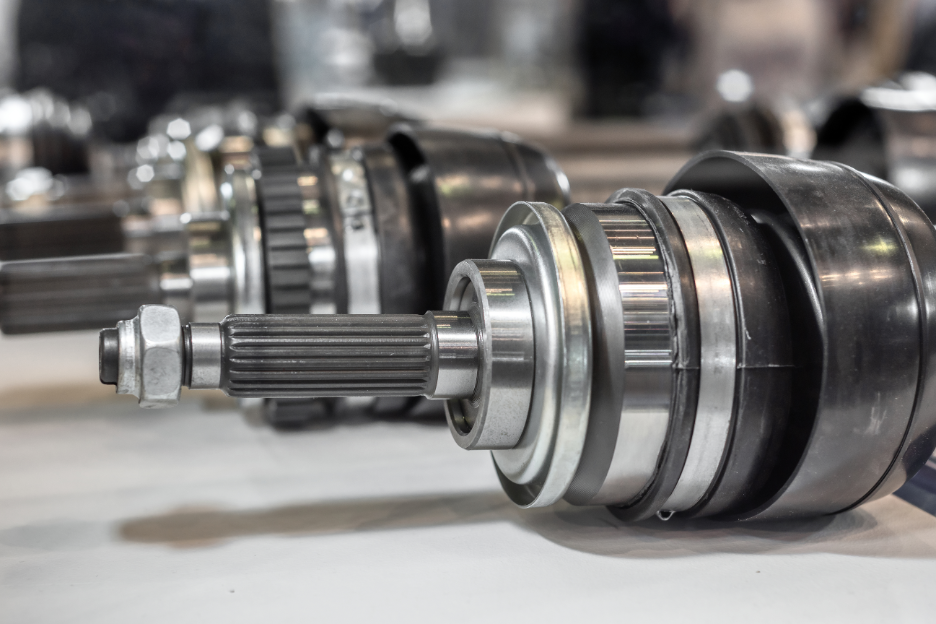
Universal joints, often called U-joints, allow the drive shaft to move with the suspension and drivetrain while still transferring power. Over time, these joints can wear out, loosen, or lose smooth movement.
When U-joints start to fail, you may hear clunking sounds when shifting, accelerating, or changing direction. You may also feel vibration while driving. If the joint becomes too worn, it can place extra stress on the drive shaft and related drivetrain components.
Imbalance Can Lead to Vibration
A drive shaft must stay balanced as it rotates. If it becomes bent, damaged, or out of balance, it may create vibration that gets worse as the vehicle speed increases.
This vibration can be felt through the floor, seat, or body of the vehicle. Drivers may notice the problem most during acceleration or highway driving. If the drive shaft is not balanced properly, the continued vibration can lead to additional wear on joints, bearings, and other connected parts.
Impact Damage Can Bend the Drive Shaft
A drive shaft can be damaged by road debris, potholes, curbs, accidents, or contact with objects underneath the vehicle. Even a small bend or dent can affect how the shaft rotates.
Because the drive shaft spins at high speed, minor damage can create noticeable symptoms. A bent drive shaft may cause shaking, unusual noises, or drivetrain stress. An honest drive shaft mechanic in Forest Park, Illinois can inspect the shaft for visible damage and determine whether repair or replacement is needed.
Worn Center Support Bearings Can Add Stress
Some vehicles use a center support bearing to help support the drive shaft. If this bearing wears out, loosens, or becomes damaged, the drive shaft may not stay properly supported while rotating.
A worn support bearing can cause vibration, thumping sounds, or movement under the vehicle. If ignored, the added movement may contribute to drive shaft wear or damage to nearby drivetrain parts.
Corrosion Can Weaken Components
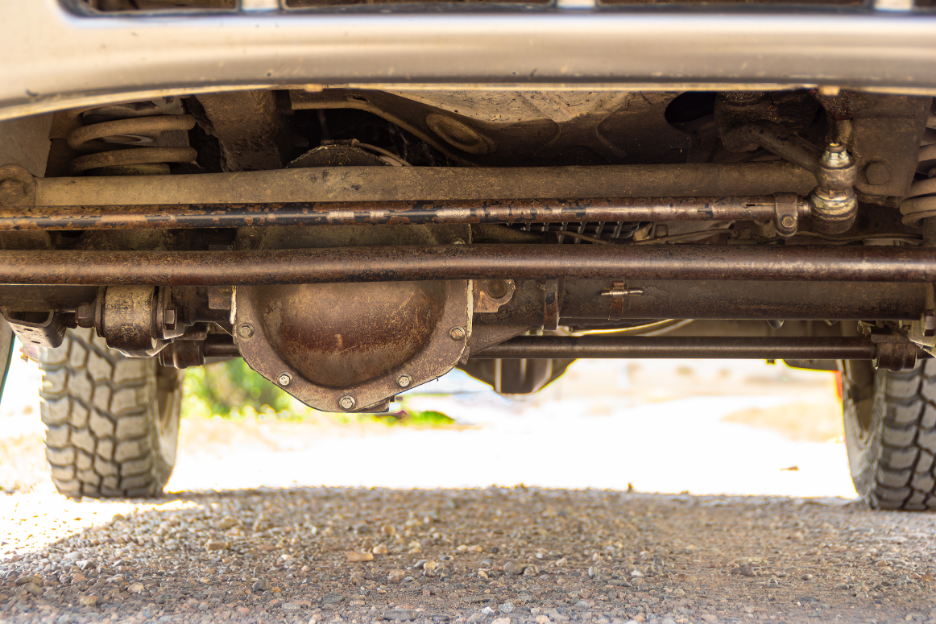
Drive shafts and related hardware are exposed to road conditions, moisture, debris, and grime. Over time, corrosion can weaken parts, damage fasteners, or affect the condition of joints and connection points.
Rust does not always mean the drive shaft is failing, but heavy corrosion should be inspected. If corrosion affects the strength or fit of important components, the drive shaft may not function as reliably as it should.
Drivetrain Problems Can Contribute to Failure
Sometimes drive shaft failure is not caused by the shaft alone. Problems with the transmission, differential, axles, mounts, or suspension can place extra stress on the drive shaft.
For example, if the drivetrain is not properly aligned or if related components are worn, the drive shaft may be forced to operate under added strain. This can speed up wear and make vibrations or noises worse. In these cases, the full drivetrain should be evaluated rather than focusing only on one part.
Warning Signs Should Not Be Ignored
Drive shaft problems often create symptoms before complete failure occurs. Paying attention to those signs can help you avoid more serious vehicle damage.
Common warning signs may include:
- Clunking sounds when shifting
- Vibration during acceleration
- Shaking at certain speeds
- Squeaking or scraping noises
- Difficulty with smooth power transfer
- Visible damage under the vehicle
These symptoms can have more than one cause, but they should be checked by a professional.
A Proper Diagnosis Matters
Drive shaft issues can feel similar to other drivetrain, axle, tire, or suspension problems. This is why guessing at the cause can lead to the wrong repair.
A good drive shaft mechanic in Forest Park, Illinois can inspect the drive shaft, U-joints, support bearings, mounts, and related drivetrain components to identify the source of the problem. Once the issue is properly diagnosed, you can decide on the right repair or replacement option.
Looking for a Drive Shaft Mechanic in Forest Park, Illinois?
Drive shaft failure may be caused by worn U-joints, imbalance, impact damage, worn support bearings, corrosion, or stress from other drivetrain problems. If your vehicle is vibrating, clunking, shaking, or making unusual noises, a professional drive shaft mechanic in Forest Park, Illinois can inspect the system and recommend the right next step.
At King Transmission Company, we provide drive shaft and transmission repair services for drivers throughout Forest Park and the surrounding communities. Contact us to schedule a service and get your vehicle checked by an experienced technician.